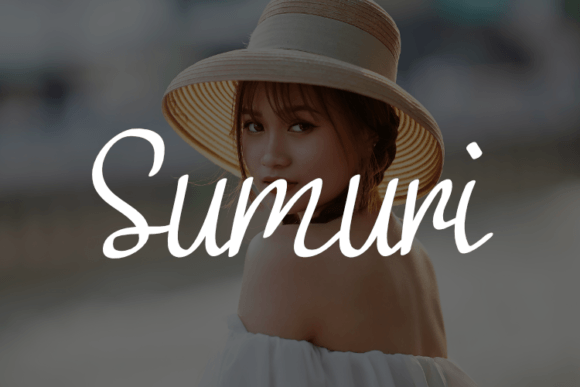
Happy Valentine Font: Elegant Script for Designers
When I began redesigning my lifestyle blog header, I knew I needed a font that could capture the essence of warmth and creativity. After testing several options, I landed on Happy Valentine Font—a flowing handwritten typeface that feels both personal and polished. It’s not just a font; it’s a design companion that adds character to every project.
Happy Valentine Font has a distinct rhythm, with soft curves and subtle variations in stroke weight that give it an organic, handcrafted feel. It’s ideal for projects where a touch of elegance and personality is essential. The font’s natural flow makes it perfect for headers, titles, and decorative elements, while its legibility ensures it remains readable even at smaller sizes.
Using Happy Valentine Font in Editorial Projects
I first used Happy Valentine Font for a recipe ebook cover. The font’s fluidity complemented the warm, inviting tone of the content. Its gentle curves and expressive strokes added a sense of authenticity, making the cover feel more like a hand-painted label than a digital design. For the ebook’s chapter openers, I paired it with a clean serif font for body text, creating a balanced visual hierarchy that guided the reader through the content.
In a recent wedding guide project, I experimented with using Happy Valentine Font for pull quotes and section headings. The font’s elegant style matched the romantic theme perfectly, adding a touch of sophistication without overwhelming the reader. It also worked well as a decorative accent in the margins, reinforcing the guide’s overall aesthetic.
Happy Valentine Font in Digital and Print Layouts
One of the strengths of Happy Valentine Font is its versatility across different mediums. Whether I was designing a newsletter header or a printable planner, the font maintained its charm and readability. On mobile devices, it looked smooth and crisp, while in print, it retained its fine details, making it a reliable choice for both digital and physical materials.
For long-form content, I found that using Happy Valentine Font as a title font worked best. It drew attention without disrupting the flow of the text. When paired with a sans serif font for body copy, the contrast created a clear visual structure that made the content easier to navigate.
Font Pairing and Design Considerations
When working with Happy Valentine Font, I always consider how it interacts with other typefaces. A good rule of thumb is to pair it with a more structured font to balance its fluidity. For example, pairing it with a classic serif font like Georgia or Garamond can create a timeless, refined look. Alternatively, using it alongside a modern sans serif like Open Sans or Lato keeps the design fresh and approachable.
It’s also important to check the font’s available styles, ligatures, and alternates. Happy Valentine Font includes multiple variations that allow for customization, making it adaptable to different design needs. Whether you’re creating a logo, a social media graphic, or a course PDF, these features add flexibility and depth to your work.
Happy Valentine Font for Creative Projects
As a designer who often works on printable guides and coaching workbooks, I’ve found Happy Valentine Font to be a valuable asset. It adds a personal touch to worksheets and templates, making them feel more engaging and unique. In a recent coaching workbook, I used the font for section headings and callout boxes, which helped break up dense text and keep the reader interested.
For a digital magazine layout, I experimented with using the font for article titles and captions. Its expressive nature gave the publication a distinctive voice, while its readability ensured that the content remained accessible. It also worked well in web design, where it added a human element to otherwise rigid layouts.
Practical Tips for Using Happy Valentine Font
Before incorporating Happy Valentine Font into any project, I always check the licensing terms. It’s crucial to ensure that the font is suitable for commercial use, especially if you’re designing for clients or selling digital products. The font’s file formats and multilingual support are also worth considering, depending on your target audience.
Another consideration is how the font performs in different contexts. While it excels as a display font, it may not be the best choice for large blocks of text. Instead, use it strategically to highlight key points, add visual interest, or reinforce a brand’s identity. With thoughtful application, Happy Valentine Font can elevate your designs in meaningful ways.
Overall, Happy Valentine Font is a standout choice for designers looking to add a touch of elegance and personality to their work. Its flowing style and refined character make it ideal for a wide range of editorial projects, from blog headers to cookbook covers. Whether you’re a blogger, publisher, or creative professional, this font offers a versatile and expressive solution for your design needs.